Blogs
What's New Trending

Owning land in Kenya has always been a symbol of stability and prosperity. In 2025, with more Kenyans turning their savings into real assets, the most important safeguard in this journey is a ready title deed. This assurance is what makes land ownership clearer and more secure today.
Whether you’re a young professional starting out, a couple planning your future, an investor growing your portfolio, a parent thinking long-term, or buying from the diaspora, this guide is designed to help you make the right choice.
At Gredico Properties Africa Ltd, we’ve built our reputation on providing affordable plots with ready title deeds, ensuring that every client invests with confidence. In this ultimate guide, we’ll walk you through:
Let’s get started on your journey to secure land ownership in Kenya today.
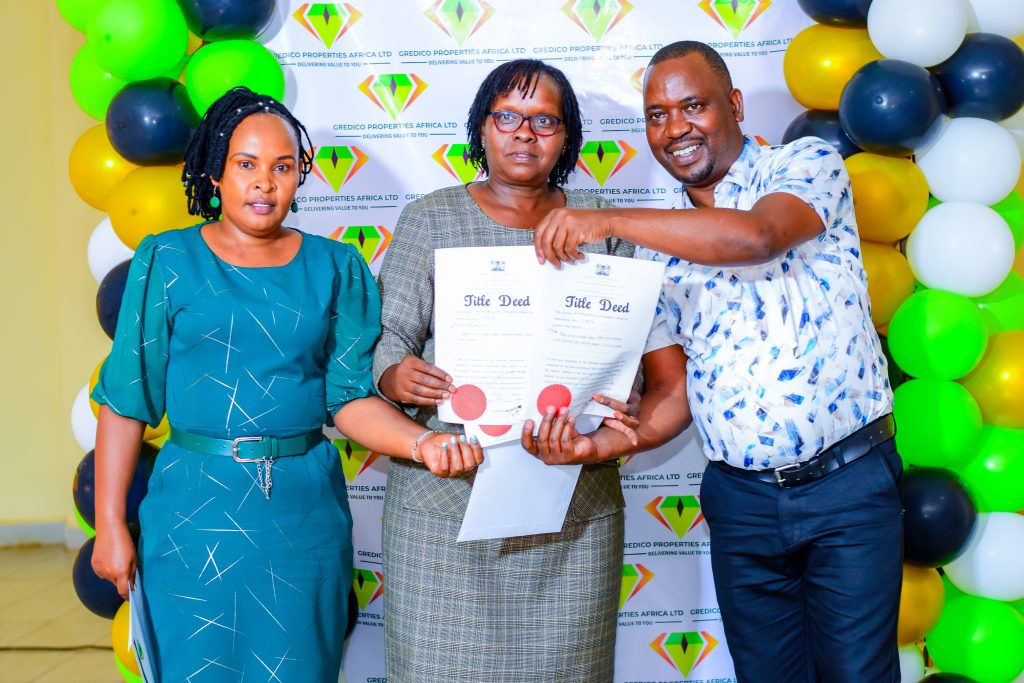
Right now, one of the most frequently asked questions among Kenyan land buyers is: “How soon will I get my individual ready title deed?”
That’s exactly what real estate firms with fast title processing deliver.
A ready title deed simply means the seller has already completed the majority of the technical and legal steps, so your individual title deed can be processed and handed over in your name quickly – typically within 30-90 days after you finish paying.
Here’s what actually happens behind the scenes when a firm is genuinely offering ready-title land:
Why Buyers Prefer Ready-Title Land:
When most or all of these steps are already complete, the final transfer becomes fast and predictable. That’s why so many buyers today, especially those planning to build soon, secure a bank loan, or purchase from abroad, prefer ready-title land.
At Gredico Properties, we specialise in ready-title land because we’ve seen firsthand how much joy and certainty it brings our clients. Owning land should be a smooth, transparent process, and that’s exactly what we deliver.

Over the years, these are the exact questions many of our buyers have asked, and they’re the ones that give you total confidence before paying even a single shilling. They help you see clearly how the process works and whether the timeline and approach match what you need.
When the answers feel clear and confident, you know you’ve found the right project, whether you want your title in months or are comfortable growing with the project over time.
At Gredico Properties, we love these questions because we can answer every single one with proof.


Once you’ve finished paying for your plot, this is what typically happens with ready-title projects in 2025.
Key Advantages
Step-by-Step Process:
Real 2025 Timelines Buyers Experience:
Why buyers prefer ready-title projects:
Certainty. Your title deed is in your hands quickly, often without long waits or delays.

These are our current projects.
| Project | Size | Price | Key Highlights |
| Nova Gardens 2 – Kithyoko | 50*100 | Ksh. 130,000 | High growth potential along Thika-Garissa corridor |
| Nova Gardens 3 – Kithyoko | 50*100 | Ksh.170,000 | High growth potential, only 700 m from highway |
| Fahari Gardens – Malindi | 100*100 | Ksh. 200,000 | Opposite Magarini TVET – rental income goldmine |
| Victory Gardens – Konza | 50*100 | Ksh. 350,000 | 1 km from Konza Railway substation, 15 min to Konza Techno City |
| Kwanza City – Malindi | 50*100 | Ksh. 780,000 | Along Mtwapa-Kilifi Highway, developed neighbourhood |
| Watamu Beach Plots | 50*100 | Ksh. 780,000 | 800m from beach, near resorts |
| Baraka Estate – Kisaju | 50*100 | Ksh. 1.1 million | Fast-growing Kitengela-Namanga corridor |
| Hazina City – Malindi | 1 acre | Ksh. 380,000 | Developed neighborhood, close to Malindi – Lamu highway |
Site visits any day that suits you (coastal visits organised once a month). WhatsApp or call +254 711 082220 right now – we’ll send you the latest details, and reserve your plot today.
Ready‑title plots already have subdivision and registry work completed, so your individual deed is processed in 30-90 days after final payment. Other projects are sold under a “mother title” and can take much longer, sometimes months or years, as subdivision and approvals are still pending. Both are valid, the choice depends on your timeline and risk tolerance.
Yes, a ready‑title plot is usually slightly more expensive because the seller has already covered costs such as surveying, processing mutation forms, and paying registry fees, but most buyers see this small premium as worthwhile since it guarantees speed, certainty, and reduced risk – your title deed is processed within 30–90 days, you can verify ownership instantly through a land search, access financing more easily since banks prefer titled land, and avoid the delays or disputes that often come with untitled projects.
Yes, many developers in Kenya offer flexible installment plans, often interest‑free for 6–12 months (sometimes up to 24). A deposit of about 10–30% secures the plot and sale agreement, but the seller retains legal title until the full amount is paid. Title processing and transfer into your name only begin after the final installment is cleared, making this a common and convenient way to buy land without paying the full price upfront.
Yes – banks, SACCOs, and microfinance institutions in Kenya widely accept clean individual title deeds (freehold or leasehold) as collateral for loans and mortgages. For leasehold titles, the remaining lease period must usually be over 20 years. The deed must be registered in your name and free from encumbrances, which lenders confirm through a land search. Loan amounts typically range from 50% to 70% of market value (sometimes up to 80%), based on a professional valuation. Having a ready title speeds up processing and gives you access to cheaper, secured financing compared to unsecured loans.
Yes – Kenyan citizens abroad can buy property and complete the ownership process remotely. You can appoint a representative through a Power of Attorney (registered in Kenya), make payments via secure channels like bank transfers or eCitizen (with a KRA PIN and Kenyan ID/Passport), and once the title deed is issued in your name, it can be couriered securely to you. To stay safe, always engage a licensed lawyer, verify ownership through an official land search, use traceable payments, and have a trusted representative conduct a physical site visit to confirm the property.
Ask for the plot number and conduct (or have your lawyer conduct) an official land search on Ardhisasa.lands.go.ke for Nairobi and other integrated counties, or use the eCitizen portal for counties not yet on Ardhisasa. Then visit the site to check the beacons and confirm boundaries. This simple due diligence step protects you from fraud or disputes.
In most ready-title projects, buyers are still responsible for closing costs, which typically add 2-8% of the property’s value. These include stamp duty, legal fees, valuation fees, registration fees, title search fees, and Land Control Board consent for agricultural land. Some developers advertise “all-inclusive” pricing, where these costs are absorbed into the plot price, but unless this is clearly stated in the sale agreement, buyers should budget for the extra expenses.
Land Control Board (LCB) consent for agricultural land in Kenya typically takes about 3-6 weeks since local boards meet only once a month and applications must be submitted at least 10 days before; once approved, the consent letter is usually issued within 7–14 days, though a faster “special LCB” meeting can sometimes be arranged for an extra fee, and in many ready‑title projects developers secure this consent in advance to spare buyers delays, noting that consent is legally mandatory, valid for six months, and the transfer must be completed within that period.
Owning the title deed gives you legal ownership, but you cannot start building until you secure all mandatory approvals. Under the Physical and Land Use Planning Act construction without permits can lead to fines, stop orders, or even demolition. Before building, you must obtain county approvals (architectural/structural plan approval, building permit, zoning compliance) and, for larger projects, national approvals such as NEMA clearance and NCA project registration. In short, the deed is step one, but actual construction is only legal once all regulatory requirements are met.
Refunds in Kenya are governed by the sale agreement not a blanket rule. While some developers may refund most of your payments minus a small administrative fee, others can deduct a substantial percentage or even decline refunds, depending on the contract’s fine print. If the developer breaches the contract, you may be entitled to a full refund plus damages through the courts, whereas in cases of buyer default, the seller can rescind the contract and legally withhold up a percentage of the deposit, returning the rest. The Consumer Protection Act provides safeguards, especially against ambiguous clauses, but the contract terms remain paramount, which is why it is essential to have a lawyer review the agreement carefully before making payments.
Physical office visit, CR12 check on eCitizen, and reviews/ testimonials.
Ready to own your own plot with complete peace of mind?
Site visits any day that suits you (coastal site visits organised once a month).
WhatsApp or call 0711082220 right now – mention this guide and we’ll send you the latest price list, and reserve your plot today.
Let’s make it happen.
Get latest news and update
